
From Silence to Divine Encounter
Book of JobThis narrative follows the shift from Job's unanswered cries and demand for a hearing to God's unexpected, questioning appearance.
increasing Bearing strength in each event
 decreasing
Bearing strength in each eventdecreasingThe Friends Sit Silent
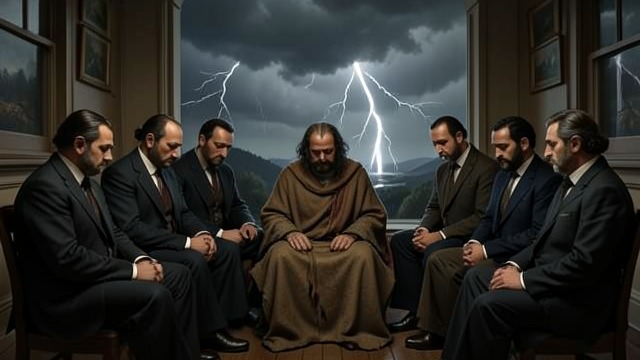
The Friends Sit Silent
Shared Mourning
Eliphaz, Bildad, and Zophar arrive, weep, and sit with Job for seven days without speaking.
A Brief Pause
Their silence acknowledges the scale of his grief. When they begin to explain it, that compassionate presence gives way to argument.
Job Breaks the Silence
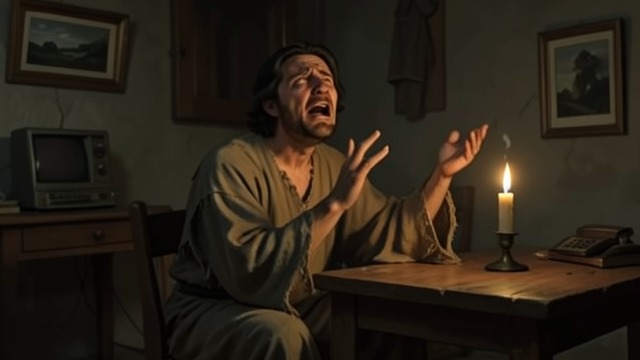
Job Breaks the Silence
Lament
Job curses the day of his birth and asks why a suffering person must continue living.
Direction of the Story
His words open a debate that will seek meaning rather than simply comfort. The focus moves from bereavement to the justice of the world.
A Hearing Demanded
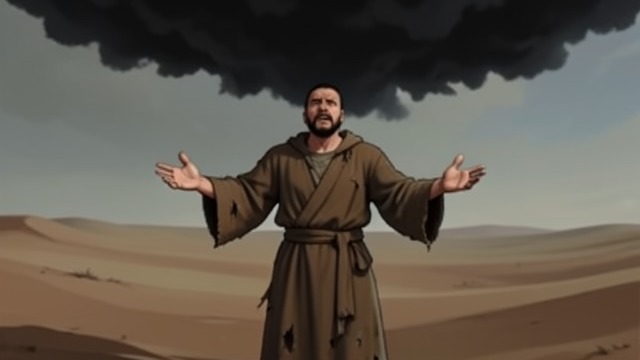
A Hearing Demanded
Appeal
Job longs to find God and present his case, convinced that a genuine hearing could clarify his standing.
Isolation
He cannot locate the judge he seeks. God's apparent hiddenness makes his confidence and fear grow together.
The Whirlwind Answer

The Whirlwind Answer
Unexpected Speech
God appears from the whirlwind and asks Job about the foundations and governance of the world.
Reversal
Instead of answering Job's questions directly, God interrogates him. The exchange changes the scale of the dispute and unsettles the assumption that a human judgment can encompass creation.
Recognition and Retreat
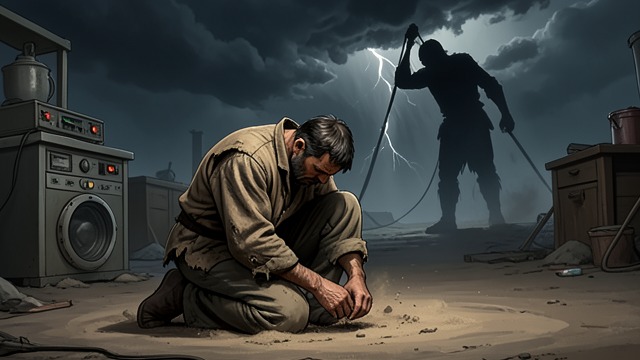
Recognition and Retreat
Acknowledgment
Job admits that he spoke beyond his understanding and responds to the divine encounter with humility.
Resolution
He receives no account of the wager or a full explanation for the pain. The encounter nevertheless changes his relation to the mystery he had challenged.
Immediately after Job's illness
After the seven days of mourning
During Job's later speeches
Near the end of the debate
After God's second speech
